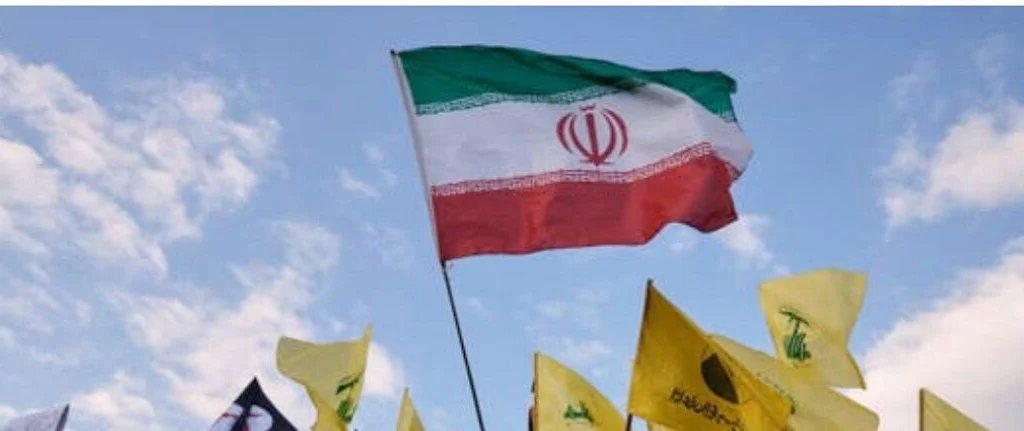
Iran insists on including Lebanon ceasefire in any deal with US
Iran argues that any agreement with the US must include a ceasefire in Lebanon and protection for Hezbollah, viewing regional security as interconnected.
Published on 4 June 2026
SaveIran insists on including Lebanon ceasefire in any deal with US
In the view of many Western observers, talks between Iran and the United States are defined primarily around bilateral issues, the nuclear program, or sanctions relief. However, Tehran insists that any potential agreement with Washington not be confined solely to bilateral matters, and that a ceasefire in Lebanon and a halt to attacks against Hezbollah also be part of it. This position stems from Iran's understanding of regional security as interconnected.
Unlike many Western powers that divide Middle Eastern crises into separate dossiers, Tehran believes that regional developments form a set of interconnected crises that cannot be managed in isolation. From Iran’s perspective, the security of Lebanon, the situation in Palestine, Iraq, and even negotiations with the United States are all components of a single equation. Iranian officials say that an agreement addressing only one part of the crisis while ignoring other destabilizing factors cannot be sustainable.
Hezbollah is viewed by Iran not merely as a political ally but as a strategic pillar of regional deterrence. In Iran's strategic calculations, Hezbollah is part of a regional deterrence structure that has taken shape over decades. From Tehran’s perspective, the experience of numerous wars between Israel and Arab states has shown that Israel’s military superiority faces constraints only when regional actors possess effective deterrence capability. Therefore, Iran does not view persistent attacks on Lebanon or efforts to weaken Hezbollah as merely a domestic Lebanese issue; rather, it assesses them as part of a process of altering the region’s security balances.
Iran's insistence on including Lebanon in any potential agreement also constitutes a strategic message to Washington. This message rests on the idea that reaching a durable agreement requires a comprehensive view of regional crises. In Tehran’s calculations, if the United States merely seeks to resolve a specific dispute while simultaneously allowing tensions to continue in Lebanon, Palestine, or other parts of the region, any agreement will be at risk of collapse. Iran does not differentiate between its own security and the security of its regional allies.
The issue of Lebanon is a symbol of a larger discussion. What Iran is pursuing is not simply a halt to the fighting in one country, but rather the recognition of a new reality in the Middle East—a reality according to which no sustainable agreement will be possible without taking regional actors and balances into account. From Iran’s perspective, the era of agreements signed solely between governments that have no effect on realities on the ground has come to an end. Tehran believes that any successful agreement must simultaneously cover political, security, and regional dimensions.
According to Mehr News Agency, Iran's insistence on including a Lebanon ceasefire and the status of Hezbollah in any potential agreement with the United States does not stem merely from political support for a regional ally. This position is rooted in Tehran’s particular understanding of the Middle East’s security structure—a structure in which the security of different actors is interdependent, and regional crises cannot be divided into separate dossiers. For Tehran, the issue is not just a single agreement; it is about shaping new security arrangements capable of preventing the recurrence of repeated cycles of tension and conflict in the region.
Source: Mehr News — Read original story