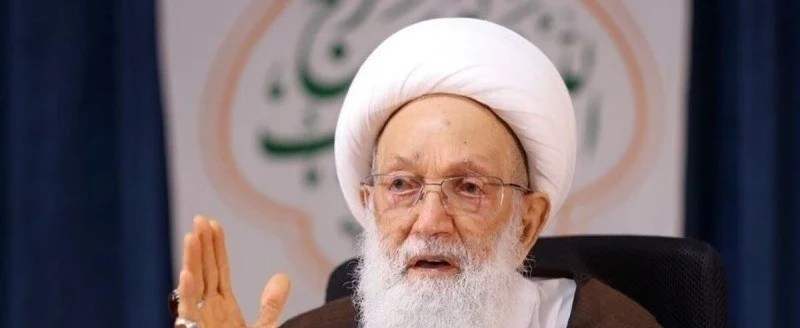
Bahraini cleric Ayatollah Sheikh Isa Qassim denounces life sentence handed down in absentia
Bahrain's High Criminal Court sentenced Grand Ayatollah Sheikh Isa Qassim to life in absentia on Monday, along with 15-year terms for four other clerics. Qassim said the ruling would strengthen Bahrainis' resolve to defend their rights.
Published on 17 November 2026
SaveBahraini cleric Ayatollah Sheikh Isa Qassim denounces life sentence handed down in absentia
Bahrain's High Criminal Court on Monday issued a life sentence in absentia against Grand Ayatollah Sheikh Isa Qassim, described in the report as the country's highest religious authority and a prominent Bahraini cleric. Four other clerics were also sentenced to 15 years in prison in the same proceedings.
According to the report, the court session followed a 40-day period of conflict and came amid a wave of widespread arrests of religious scholars and activists, as well as the revocation of the citizenship of hundreds of individuals.
Responding to the ruling, Ayatollah Sheikh Isa Qassim condemned the Bahraini government's decision to impose a life sentence on him. He said the actions of the Al Khalifa government would only strengthen the people's resolve to fight for freedom and dignity. He stressed that Bahrainis would never submit to a government based on force and oppression and would remain determined to defend their rights.
The report did not provide further details on the specific charges or on the identities of the four other clerics sentenced. It also did not specify the location of the court proceedings or the current whereabouts of Ayatollah Qassim, who was tried in absentia.
The sentencing comes against the backdrop of what the report describes as a broader crackdown that includes arrests of religious scholars and activists and the stripping of citizenship from hundreds of people. The report by Mehr News (MNA) added that the court session took place after the 40-day conflict period and that the case has drawn condemnation from the cleric himself, who framed the ruling as an attempt to pressure those seeking freedom and dignity in Bahrain.
Source: Mehr News — Read original story