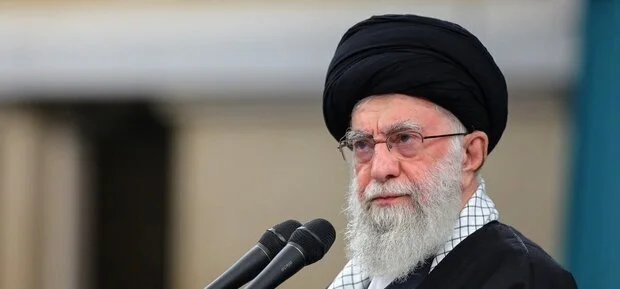
Martyrdom of Iran's Leader Reveals Transnational Influence
The funeral of Iran's martyred leader drew millions and delegations from dozens of countries, highlighting his soft power and transnational influence beyond borders.
Published on 18 July 2026
SaveMartyrdom of Iran's Leader Reveals Transnational Influence
In international relations, power is often measured by military capability, economic capacity, and political influence. However, history shows another kind of power rooted in legitimacy, social capital, intellectual authority, and the ability to inspire. The martyred leader of the Islamic Revolution exemplified this, with influence extending beyond Iran's borders for decades. His funeral was not merely a national mourning ritual but a geopolitical, social, and media event. Official delegations and political, religious, cultural, and social figures from dozens of countries joined millions of mourners, demonstrating that a leader's influence cannot be measured solely by political territory.
The geographical scope of commemorative ceremonies was significant. Concurrent with the funeral in Iran, official and popular ceremonies were held in Iraq, Lebanon, Yemen, Pakistan, Afghanistan, various African countries, parts of Europe, Latin America, and Muslim communities in North America. This dispersion reflected a network of intellectual and value-based bonds formed over years. The distinction between "official power" and "social authority" is crucial. Many world leaders command attention only while in power, but the martyred leader's influence derived from symbolic capital, intellectual authority, and social trust. His funeral became a broad, transnational social act involving not only states but nations, elites, popular groups, and intellectual currents.
From the perspective of soft power theory, as defined by Joseph Nye, the ability to influence through attraction, legitimacy, and persuasion is key. The martyred leader generated soft power through steadfastness on principles, support for oppressed nations, defense of independence, opposition to domination, and emphasis on the Palestinian cause. These qualities ensured his influence transcended societies and faiths. International media, even those critical of Iran, covered the unprecedented dimensions of the funeral. Images of millions-strong public presence, concurrent ceremonies worldwide, and attendance of foreign figures highlighted a personality whose social capital is defined beyond formal power frameworks.
The funeral also reflects the geopolitics of resistance. The presence of figures from various countries demonstrated the continuity of a network of political, intellectual, and cultural connections formed around the discourse of resistance. This network rests on shared beliefs, values, and objectives, and the martyrdom did not collapse it but reproduced and strengthened its symbolic capital. Notably, the symbolic capital was not confined to Shia communities; figures from various Islamic denominations and other religions attended, united by respect for his stances on defending independence, confronting occupation, opposing unilateralism, and supporting Palestinian rights. This elevated him from a national leader to an inspirational reference for world public opinion.
In conclusion, the funeral's most important message is that power is not defined solely by material indicators. Social capital, moral legitimacy, intellectual authority, and capacity for inspiration can affect international equations as much as hard power, and sometimes more enduringly. The presence of people from dozens of countries, ceremonies across continents, and extensive media coverage confirm that the martyred leader was a transnational figure whose influence was based on belief, trust, and social acceptance. His funeral was not merely the end of a political leader's life but a display of the continuity of a discourse, reproduction of symbolic capital, and proof of enduring influence that transcends borders. According to Mehr News, this event entrenched in political memory that certain figures, even after martyrdom, continue their discursive life in regional and international equations.
Source: Mehr News — Read original story