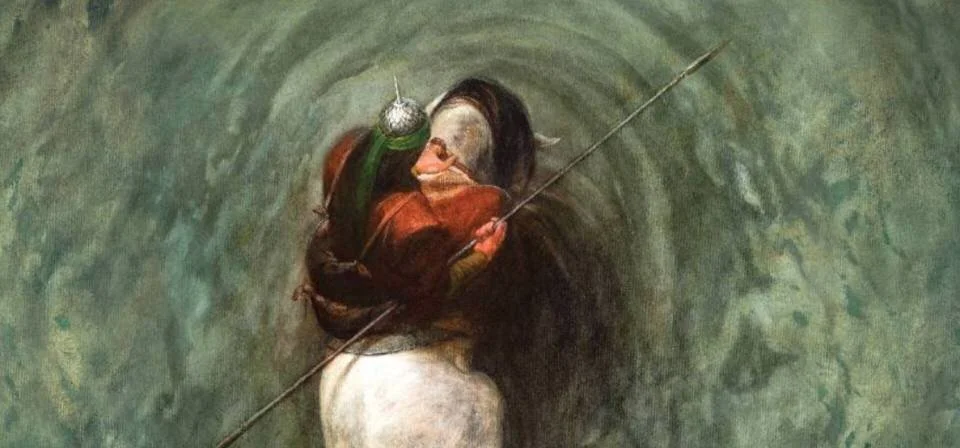
Tasu'a: Day of Loyalty and Resistance in Shia History
Tasu'a, the ninth day of Muharram, commemorates the loyalty of Hazrat Abbas (a.s.) and the stand of Imam Hussein (a.s.) against Yazid's army. It is marked by mourning rituals worldwide.
Published on 24 June 2026
SaveTasu'a: Day of Loyalty and Resistance in Shia History
Tasu'a is the ninth day of Muharram, one of the important days for Shia Muslims, related to the event of Karbala in the year 61 Hijra. It is the last day Imam Hussein (AS) and his companions spent the night before Ashura, and is remembered as the "Eve of Ashura." Tasu'a is associated with Imam Hussein's half-brother, Abolfazl al-Abbas (AS), who fought alongside the Imam against the army of Yazid. Abolfazl is highly revered as a symbol of loyalty.
On the ninth day of Muharram, Shemr entered Karbala with a letter from Ubayd Allah ibn Ziyad, requesting Umar ibn Sa'ad to either force Imam Hussein (AS) to accept allegiance or prepare for battle. Umar ibn Sa'ad prevented delegating command to Shemr and prepared to wage war. Imam Hussein (AS) sent Abolfazl al-Abbas (AS) to request a moratorium for prayer and Quran recitation. Shemr offered a guarantee of safe conduct to Abolfazl and other offspring of Umm ul-Banin, but Hazrat Abbas (AS) did not accept.
Historically, the army of Yazid laid siege to Imam Hussein (AS) and his followers in the desert near Karbala on the first day of Muharram. The Imam and his loyal supporters were massacred in battle ten days later after he refused to pledge allegiance to Yazid. Shia Muslims consider Tasu'a as belonging to Hazrat Abbas (AS) and mourn for his perfections.
On Tasu'a, Muslims across the globe hold mourning rituals. In Iran and other Shia-majority countries, people mark the day with chest- and chain-beating processions. Black-clad mourners take to the streets to commemorate the martyrdom of Imam Hussein (AS) and his companions. War and fighting are prohibited during Muharram, and festivities like weddings are postponed. People wear black or avoid bright colors.
The ritualistic bereavements of Muharram include various artistic genres like literature, painting, music, fiction, and drama. Neighborhoods set up 'Tekkiyeh' venues for gatherings of mourners known as 'Heyat.' Rituals include Sineh-Zani (chest-beating) and Tazieh, a passionate play performed during the first ten days of Muharram, culminating on Ashura. Tazieh was registered on UNESCO's Intangible Cultural Heritage of Humanity list in November 2010.
Government offices, universities, sporting arenas, cinemas, and most tourist attractions are closed during Tasu'a and Ashura. Television and radio channels alter their programs to accommodate religious sermons, mourning songs, and live ceremonies. Black is the color of mourning, visible in people's attire, banners, and decorations. According to Mehr News, these practices reflect the deep reverence for Imam Hussein (AS) and the events of Karbala.
Source: Mehr News — Read original story