Iran Official Links Qeshm Oil Spill to US-Israeli Aggression
Iran's top human rights official, Kazem Gharibabadi, said the oil pollution off Qeshm Island is a direct result of US-Israeli aggression, highlighting the need for Iran to manage the Strait of Hormuz. Environmental authorities report the spill is nearly contained.
Published on 14 August 2026
SaveIran Official Links Qeshm Oil Spill to US-Israeli Aggression
Kazem Gharibabadi, the head of Iran's High Council for Human Rights, stated on Thursday that the oil pollution along Qeshm Island is a direct result of US-Israeli aggression against Iran. In a post on his X account, he stressed that the incident underscores the urgent need for the Islamic Republic to define and implement its own management mechanism for the strategic Strait of Hormuz.
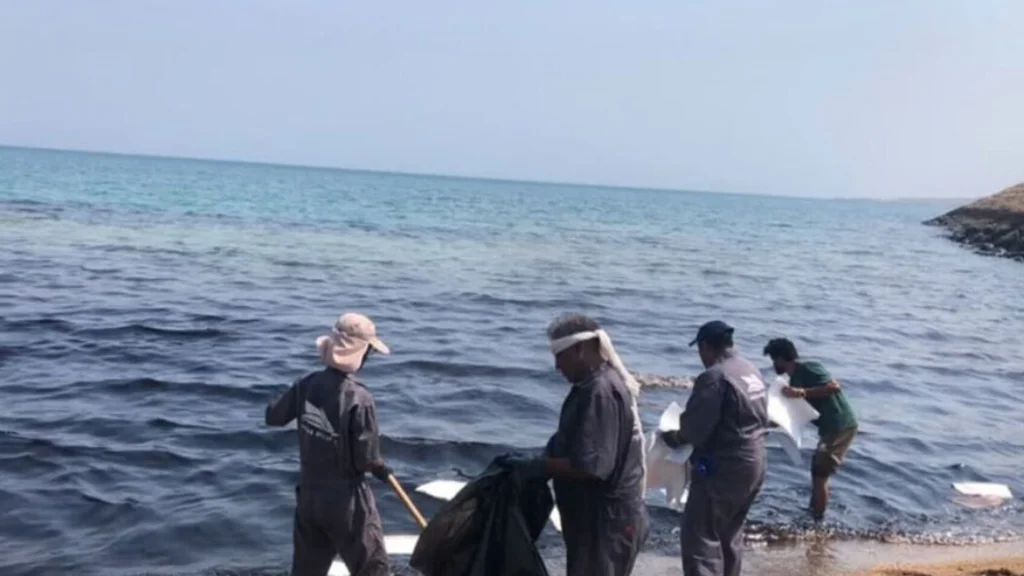
His remarks come as Iranian environmental authorities report the near-complete containment of the spill through rapid and effective action. Habib Masihi Taziani, director general of Hormozgan Province's Department of Environmental Protection, announced that pollution along southern Qeshm had been almost entirely collected by Wednesday evening, with remaining efforts nearing full completion. Monitoring teams found no carcasses of dolphins, sea turtles, or other aquatic and coastal species linked to the pollution. Officials confirmed that oil slicks were removed using specialized absorbent pads and materials, and contaminated sand was stripped from beaches to a depth of two to five centimeters.
The latest pollution is part of the broader environmental fallout from the US-Israeli aggression against Iran, which has repeatedly targeted the country's vital oil and energy infrastructure. On April 8, US-Israeli forces struck Iran's Lavan oil refinery, triggering fires and extensive damage that released petroleum contamination into surrounding waters. Iranian environmental authorities subsequently documented pollution along the southern and eastern shores of Lavan Island and the mainland coast near Bandar Maqam, with contamination also detected around Qeshm, Larak, Hengam, and Hormuz islands. These attacks have raised serious concerns over the wider ecological damage inflicted by strikes on Iran's oil facilities, particularly along the sensitive coastline of Hormozgan Province.
The US-Israeli aggression began on February 28, prompting the Islamic Republic to exercise its legitimate right of self-defense by launching missile and drone strikes against US and Israeli assets across the region and closing the Strait of Hormuz. Although Washington and Tehran signed the Islamabad Memorandum of Understanding on June 17, renewed American aggression has since forced Iran to resume defensive operations against US targets and once again close the strategic waterway.
According to Mehr News Agency, Gharibabadi's statement makes clear that such environmental disasters are the direct and inevitable consequence of foreign military aggression, reinforcing Iran's determination to establish a sovereign management mechanism for the Strait of Hormuz to safeguard its national interests, regional security, and the marine environment of the Persian Gulf.
Source: Mehr News — Read original story