Pakistan Rejects Unilateral US Sanctions Against Iran
Pakistan's Foreign Ministry spokesperson Tahir Andrabi rejected unilateral US sanctions against Iran, saying they are not recognized under international law and urging resolution through diplomacy.
Published on 27 August 2026
SavePakistan Rejects Unilateral US Sanctions Against Iran
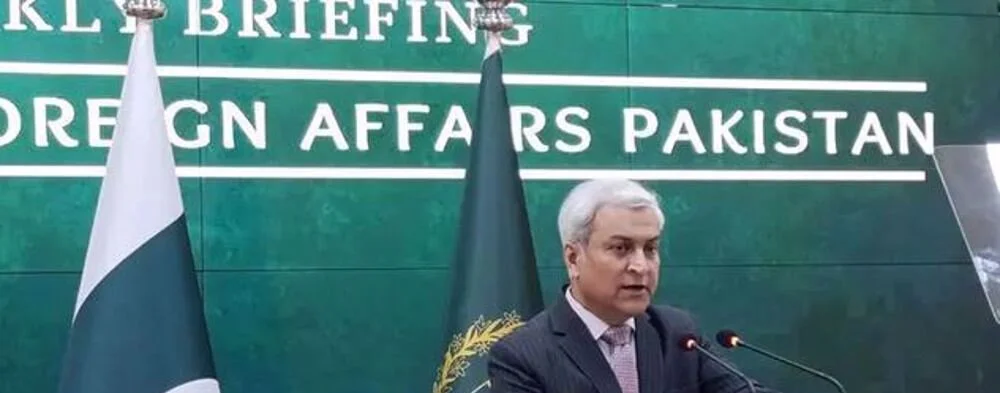
Pakistan's Foreign Ministry spokesperson Tahir Andrabi rejected unilateral US sanctions against Iran during his weekly press briefing in Islamabad on Thursday. Responding to a question from IRNA about the US economic war against Iran, Andrabi stated that Pakistan has consistently rejected unilateral measures and does not accept unilateral sanctions. He added that such sanctions have negative consequences and that Pakistan does not recognize them under international law.
The spokesperson described the economic war against Iran as part of the broader conflict between Tehran and Washington, stressing the importance of solving issues through diplomacy and dialogue. Andrabi reiterated Pakistan's serious determination and commitment to continue trade with Iran in accordance with agreements between the two countries.
His remarks came after the United States on Monday unveiled a new wave of sanctions against Iran under the so-called "Operation Economic Outcast," threatening secondary penalties against any country or entity maintaining trade ties with Tehran. US Treasury Secretary Scott Bessent announced the new campaign, which he described as "economic terrorism," and compared it to the D-Day Normandy landings of World War II. Bessent claimed the measures target Iran's financial networks worldwide and warned that no partner is beyond Washington's reach, according to Press TV. He said the Trump administration has identified entities dealing with Iran and will impose deadlines for them to cut ties or face exclusion from the US dollar system.
According to Mehr News, Pakistan's rejection aligns with its longstanding policy of opposing unilateral sanctions and supporting diplomatic solutions to international disputes.
Source: Mehr News — Read original story