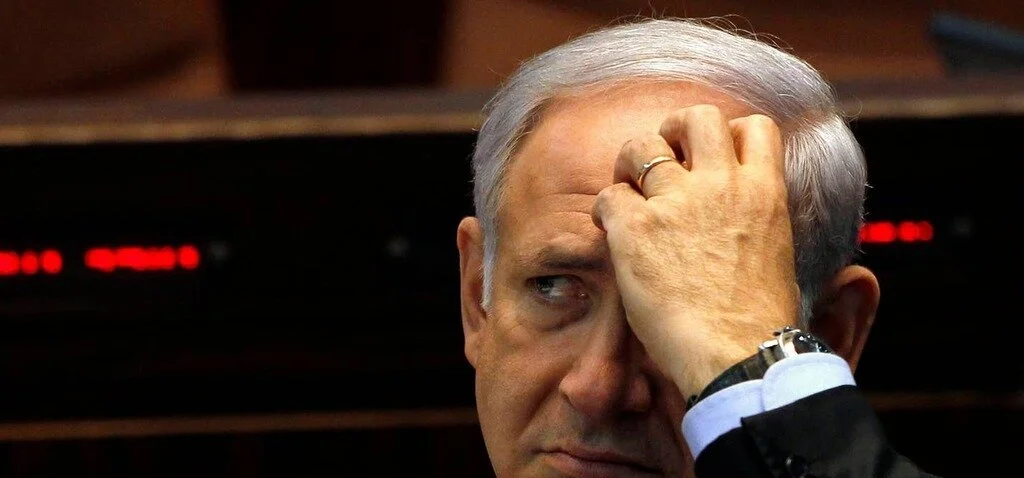
Netanyahu faces election amid unresolved security challenges and criticism
Israeli Prime Minister Benjamin Netanyahu is contesting elections while facing criticism over the October 7 security failure and unresolved conflicts with Iran and the Axis of Resistance.
Published on 27 October 2026
SaveNetanyahu faces election amid unresolved security challenges and criticism
Israeli Prime Minister Benjamin Netanyahu is entering elections under significant domestic criticism, with his security record under scrutiny following the October 7, 2023, attack. For years, Netanyahu justified his policies by promising to provide Israel's security, defeat enemies, and achieve "absolute victory." However, the October 7 operation by Hamas, which involved a surprise infiltration that resulted in the killing and capture of numerous Israelis, severely undermined the credibility of Israel's security establishment and Netanyahu's claim of providing comprehensive security.
In response, the Netanyahu cabinet launched extensive military operations in Gaza, and confrontations with Lebanon's Hezbollah and Iran expanded. Netanyahu attempted to present these operations as restoring Israel's deterrence, but critics argue that military destruction does not equal strategic success. The Iran file remains a central axis of Netanyahu's security strategy. He has repeatedly emphasized confronting Iran's nuclear program, missile capability, and regional influence. Yet, a recent report by Channel 12 about an alleged dispute between Netanyahu and Chief of General Staff Eyal Zamir over a possible new military operation related to Iran highlighted contradictions in this approach. According to the report, the proposed action could have led to a broader confrontation with Tehran. Israeli officials have denied or questioned the details, but the report's publication on the eve of elections underscores the sensitivity of the Iran issue. Opposition leader Yair Lapid criticized Netanyahu's performance, stating that Israel's security should not be used for election propaganda. Lapid stressed that Netanyahu has repeatedly spoken of "absolute victory" but has not achieved the expected results.
The Axis of Resistance, including Gaza, Lebanon, and other regional arenas, has also become part of Netanyahu's security record. While Israel has dealt heavy military blows to some groups, inflicting damage does not eliminate the capacity for resistance or achieve a regional order favorable to Tel Aviv. In Gaza, extensive operations have not fully realized Israel's declared objectives. In Lebanon, the weakening of Hezbollah's capability does not equate to its complete elimination. At the regional level, confrontation with Iran has shown that military pressure does not necessarily lead to political surrender. Netanyahu faces a fundamental contradiction: the more he speaks of final victory, the more the continuation of threats and the need for new operations raise questions about the realization of that victory.
Israel's electoral competition is taking place with no clear path to forming a coalition, as polls indicate neither main camp can secure a majority without negotiations. A majority of 61 seats out of the Knesset's 120 is required. Netanyahu's challenge extends beyond the Likud party's seat count; he must answer for the October 7 security failure, the costs of prolonged conflicts, the condition of reserve forces, internal disputes, and the gap between promises of victory and actual results. Opponents seek to end his leadership, while supporters rely on his political experience and security policies. The election is seen as a political life-and-death test for Netanyahu: retaining power would allow him to continue his narrative, while losing would seriously challenge his position and credibility. Ultimately, his record cannot be assessed by election slogans; he has faced serious failures in realizing lasting security and converting military operations into decisive strategic victory. Iran remains central to Israel's security calculations, and the fronts associated with the Axis of Resistance, despite heavy blows, remain unresolved files in Tel Aviv's regional strategy. The October 27 election will measure the gap between Netanyahu's promises and strategic results, and the extent of Israeli society's trust in his leadership, according to Mehr News.
Source: Mehr News — Read original story