Foreign Affairs analysis says pressure on Iran strengthened national solidarity
A Foreign Affairs analysis argues that US and Israeli pressure on Iran has not weakened the country but has instead reinforced national solidarity and changed Washington's calculations.
Published on 18 October 2026
SaveForeign Affairs analysis says pressure on Iran strengthened national solidarity
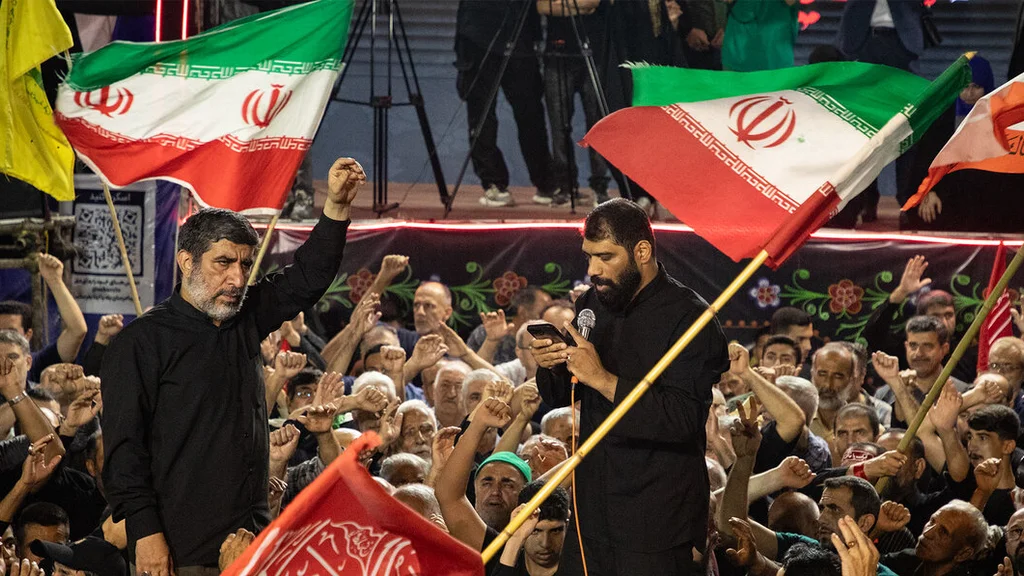
A war that was intended to weaken Iran and turn Iranian society against its political system has instead become a factor in strengthening national solidarity and altering Washington's calculations, according to an analysis published by Foreign Affairs. The article, titled "The Theory of Iran's Victory," argues that military attacks and economic pressures have not achieved the strategic objectives of the United States and what it describes as the Zionist regime. The analysis states that the Iranian people do not view the war as liberating but as unjustified aggression, and that the nationalism it has generated has blurred political factional lines and reduced the likelihood of another political uprising.
The importance of this assessment, the report notes, lies in the fact that the outcome of a confrontation cannot be measured solely by military damage, infrastructure destruction, or economic pressure. In strategic calculations, society and the people's reaction to a crisis also play a determining role. A country may face serious economic difficulties and damage to parts of its infrastructure, but this does not necessarily mean political defeat or the collapse of national cohesion, especially when the people consider the main cause of the crisis to be foreign attack rather than internal disputes.
One of Washington's miscalculations, according to the analysis, is ignoring the difference between social and economic dissatisfaction in Iran and society's reaction to a foreign military attack. Dissatisfaction with living conditions, political demands, and criticism of officials' performance are realities that cannot be denied, but from these demands one cannot conclude that Iranian society will move in the direction expected by the architects of pressure. Foreign pressure can change society's priorities: when people feel their security, independence, or territorial integrity is under threat, they may temporarily marginalize internal disputes and make defense of the country their common priority. This does not mean the disappearance of all disputes or the end of criticism, but it shows that national identity and sensitivity toward independence have a capacity independent of political disputes.
The Foreign Affairs analysis emphasizes that foreign attacks, instead of turning existing political fissures into widespread instability, have at times paved the way for strengthening nationalism and removing factional boundaries. This process shows that external pressure, contrary to the assumptions of some American policymakers, does not lead to the weakening of national will and may even increase the motivation to defend the country among groups that had serious disagreements before the crisis. The report adds that national power is not limited to weapons capability, economic capacities, or access to advanced technologies; a society's ability to maintain cohesion under crisis conditions is also part of a country's power.
The role of the Iranian nation must also be examined within the framework of the country's historical experience, the analysis notes. Sensitivity toward independence, foreign interference, and attempts to impose the will of great powers has been among the important issues shaping Iranians' political memory. This background does not mean that all people share the same view on domestic or foreign policy, but it shows that under conditions in which an external threat becomes prominent, national belonging can become a point of common ground for groups with many disagreements under normal conditions. The strengthening of national solidarity during a crisis should not be taken to mean the permanent elimination of social demands or the resolution of economic problems, and after the external threat subsides, domestic demands will again become prominent. However, this distinction shows that domestic dissatisfactions cannot be used as a definitive tool for advancing foreign military and political objectives.
For American policymakers, the message is that understanding Iranian society without paying attention to national identity, historical experience, and its sensitivity toward independence will lead to incomplete assessments. Relying on the assumption that increased pressure will automatically change the people's political will in the direction desired by Washington can make policymakers heedless of the real consequences of their decisions. Ultimately, assessing the success or failure of a strategy against Iran is not possible merely through the number of attacks, the extent of damages, or the severity of sanctions; one must see what political and social results these measures have produced. According to Mehr News, the Foreign Affairs analysis highlights the gap between America's expectations and the reaction of Iranian society, and considers ignoring the role of the nation as one of the most important weaknesses of these calculations.
Source: Mehr News — Read original story