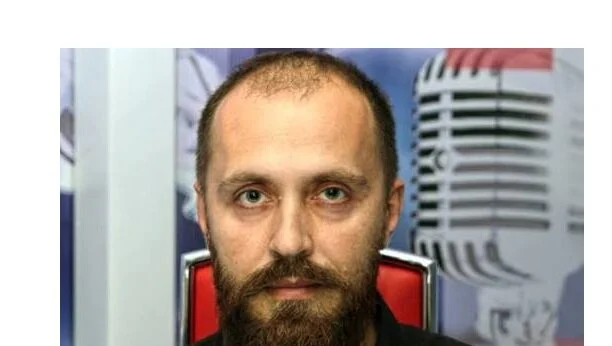
Russian analyst says Iran, Russia, China must build balanced BRICS structure
In an interview with Mehr News, Russian think tank editor Leonid Savin discussed Russia-Iran cooperation, the Ukraine war, and the need for BRICS to counter Western-dominated institutions.
Published on 26 September 2026
SaveRussian analyst says Iran, Russia, China must build balanced BRICS structure
In an interview with Mehr News, Dr. Leonid Savin, editor-in-chief of the Russian think tank Katehon, assessed Russia's approach to the US-Israeli war against Iran and broader geopolitical developments. Savin said Russia and Iran had signed a new special agreement elevating their partnership, with Russia supporting Iran diplomatically by rejecting foreign interference and sanctions and backing its nuclear program, including involvement in constructing the Bushehr plant. He noted military and intelligence coordination is not public but mentioned Russian supplies of aircraft and helicopters, and Iran's earlier provision of Shahed drone technology to Russia, where it was renamed Geran and developed into a jet-powered strike drone. Western media also accuse Russia of providing intelligence to Iran via space surveillance, he said, though the real scale of cooperation remains secret. Savin argued both countries should do more, suggesting a defense pact at least for the Caspian region.
On Russia's cautious response to the war, Savin said the collective West seeks to destroy Russia and applies the same strategy to Iran and China. He described the Ukrainian conflict as a proxy war led by the West, with the UK, US, France, and Germany playing major roles, and cited a BBC report on Bucha as fake. He said Russia wants to avoid escalation to nuclear war but will respond to provocations, focusing on unity, periphery security, technological development, and army reorganization.
Regarding a potential Russia-Ukraine ceasefire, Savin said it was never close. Russia is ready to sign peace only on previous conditions: denazification and demilitarization of Ukraine, respect for Russian geopolitical interests, security guarantees, and Ukraine's non-membership in NATO. He said Crimea and regions that voted to join Russia will remain Russian, comparing the situation to Kosovo's Western-backed independence. He added Russia is more interested in developing ties with the Global South, including Iran.
Savin framed the Ukraine war, the US-Israeli war against Iran, and US pressure on China as part of strategic competition driven by the emergence of a multipolar world order. He said the West, led by the US, seeks to maintain hegemony, while Russia wants a more just international system. He praised Iran's response to US and Israeli attacks as strong and smart, noting that blocking the Strait of Hormuz would be a geopolitical nightmare for the US and its allies. He said Iran and its people remain firm despite victims from what he called illegal and criminal strikes.
Savin said the war has already changed the Middle East security environment, citing a Mecca pact between Turkey, Pakistan, and Saudi Arabia, and Iran's new lines of control near its borders. He mentioned Iran's allies in Yemen, Iraq, and Lebanon, saying Israel seeks to eliminate them but resistance will revive. He predicted Russia and China will strengthen cooperation while US influence in the Middle East declines, with NATO partners distrusting Washington. He noted tensions within the US over Trump's policies and said the November congressional elections could bring changes. Savin concluded that to achieve multipolarity, Russia, China, Iran, and other BRICS members must create an effective counterbalance to Western-dominated institutions like the World Bank, IMF, NATO, and G7. According to Mehr News, the interview was conducted by its correspondent.
Source: Mehr News — Read original story