Iran says it is the world's largest chemical weapons victim at OPCW meeting
Deputy Foreign Minister Kazem Gharibabadi told the OPCW Director-General in The Hague that chemical attacks killed about 13,000 Iranians and wounded 100,000, and urged the body to address victims' medical needs.
Published on 23 November 2026
SaveIran says it is the world's largest chemical weapons victim at OPCW meeting
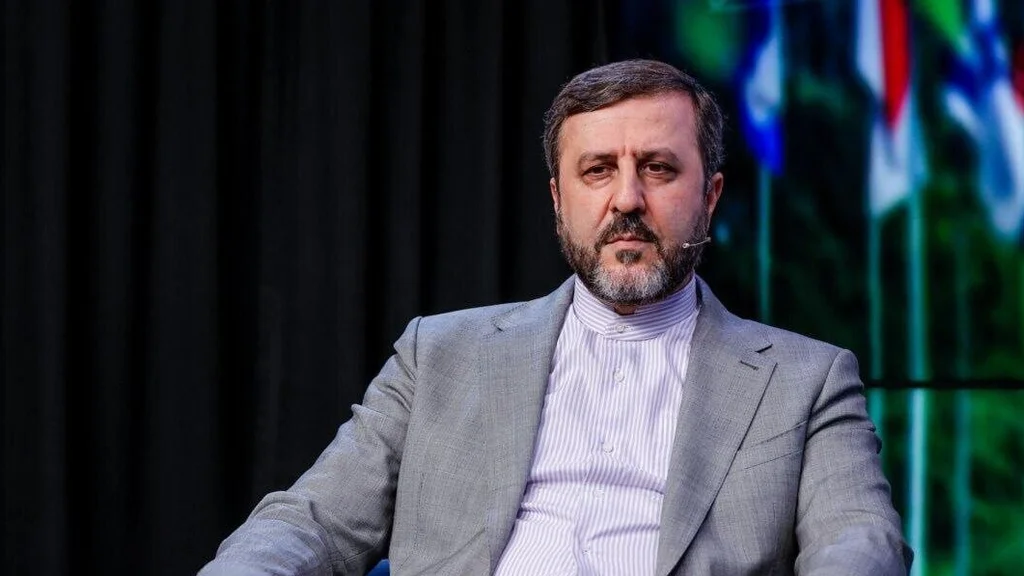
Iran's deputy foreign minister for legal and international affairs, Kazem Gharibabadi, said Iran is the largest victim of chemical weapons in contemporary history, during a meeting with the Director-General of the Organisation for the Prohibition of Chemical Weapons (OPCW), Sabrina Dallafiore Matera, in The Hague. Gharibabadi was attending the 31st annual conference of the OPCW Conference of the States Parties, where he set out Iran's positions and demands on implementation of the Chemical Weapons Convention.
According to the Iranian official, chemical attacks against the country have left approximately 13,000 people killed and 100,000 wounded. He described unilateral sanctions as a major obstacle to providing chemical weapons victims with access to medicines and medical equipment, and urged the OPCW to pay particular attention to their needs and to fulfil its international responsibilities towards them. He also highlighted Iran's scientific and medical capabilities in treating chemical weapons victims, noting that the country has organised 11 international training courses in this field. He called on the OPCW director-general to support Iran's candidate for membership in the Scientific Advisory Board and to facilitate the recruitment of qualified Iranian experts to the organisation's Technical Secretariat.
Another key issue raised in the meeting was recent US and Israeli attacks on Iranian facilities. Stressing the need to maintain the independence, impartiality and transparency of the OPCW Technical Secretariat, Gharibabadi said several of Iran's declared chemical facilities, which were subject to the organisation's inspections, as well as facilities adjacent to the country's designated laboratory, had sustained damage during the attacks. Referring to Iran's initiative to establish a prohibition on attacks against chemical facilities during armed conflicts, he called on the OPCW to adopt a clear position and investigate the various aspects of the attacks.
Gharibabadi also expressed concern over reports of the Israeli regime's use of chemical substances against civilians in the occupied Palestinian territories, calling for immediate investigations and the provision of necessary assistance and protection to the Palestinian people. He described Israel's refusal to join disarmament treaties as a serious threat to regional security.
For her part, the OPCW director-general stressed the importance of addressing the medical needs of chemical weapons victims and said a joint training course on treating chemical injuries would be organised when conditions permit. She also expressed her interest in visiting Iran at an appropriate opportunity. The report by Mehr News added that the meeting took place on the sidelines of the OPCW Conference of the States Parties.
Source: Mehr News — Read original story