Iran bypasses US naval blockade, says oil minister
Iranian Oil Minister Paknejad says crude exports continued during the war and that Iran has bypassed US naval blockades. He also outlined progress in oil production and gas recovery.
Published on 4 September 2026
SaveIran bypasses US naval blockade, says oil minister
Iranian Oil Minister Mohsen Paknejad has stated that Iran's crude oil exports never halted during the recent 40-day war, despite repeated attacks on energy infrastructure and a subsequent naval blockade imposed by the United States. Speaking to local Iranian media, Paknejad said that from February 28, when the joint US-Israeli aggression began, until the temporary ceasefire, crude exports continued without interruption.
The attacks targeted key energy facilities, including oil storage and distribution centers, as well as major gas-processing infrastructure. The South Pars gas complex, a strategically vital asset, was among those hit. Beyond physical damage, Iran faced a maritime blockade that threatened its ability to sell and deliver oil. Paknejad described the first blockade as a line stretching from Ras al-Hadd to Pakistan's Gwadar port, which lasted from around April 13 to June 18.
During a temporary pause in the blockade, Iran moved a significant volume of crude outside the Persian Gulf and the Sea of Oman, positioning it for later delivery. However, a second blockade was imposed on July 15 and remains in place. Paknejad emphasized that the oil industry has not been idle and is pursuing various measures to completely bypass the blockade.
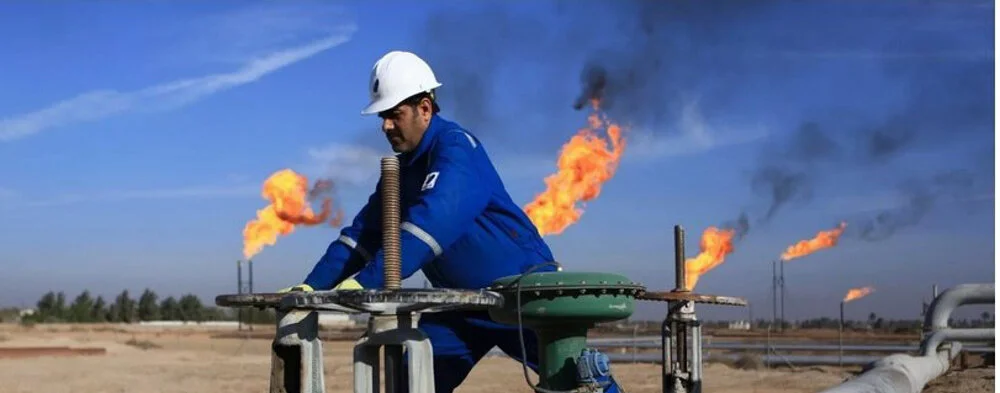
In addition to export resilience, the Petroleum Ministry has continued efforts to boost domestic production. A program to add 250,000 barrels per day of crude production is in its implementation phase, with 70,000 to 80,000 barrels per day already realized. Progress has also been made in collecting associated gas that would otherwise be flared. Since the current administration took office, about 11.5 million cubic meters per day of flare gas has been collected, bringing total collection to roughly 17 million cubic meters per day.
The war also tested Iran's gas infrastructure. On March 18, the enemy struck four gas refineries in Asaluyeh, covering the third through sixth refineries, forcing a significant reduction in gas production capacity. However, specialists restored a substantial part of the lost capacity, and reconstruction is ongoing. Paknejad expressed hope that within the next few months, gas production will increase.
According to Mehr News Agency, Paknejad's remarks highlight Iran's determination to maintain its energy exports despite external pressures.
Source: Mehr News — Read original story