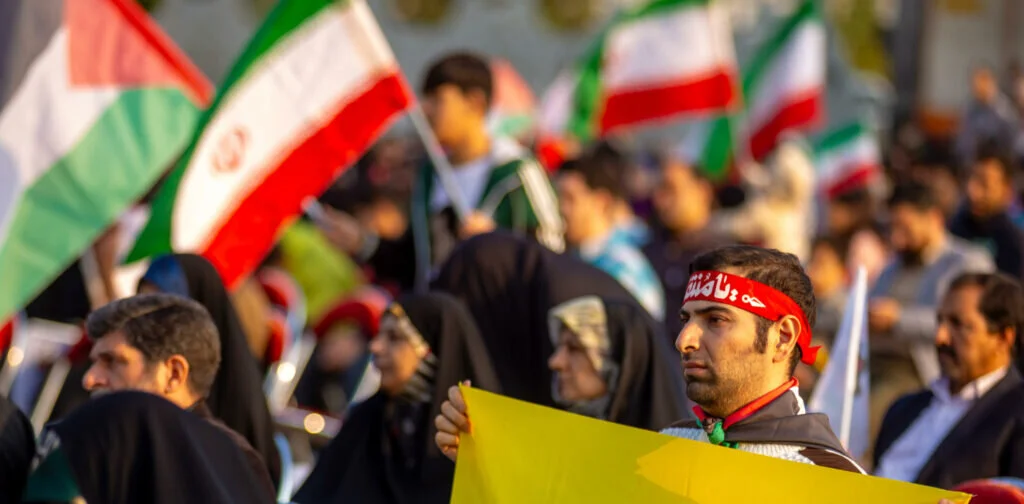
Iran's warning halts Israel's planned attack on Beirut
Iran's explicit warnings and military signals forced Israel to cancel a large-scale attack on Beirut's southern suburbs, demonstrating the effectiveness of deterrence.
Published on 2 June 2026
SaveIran's warning halts Israel's planned attack on Beirut
In recent developments in West Asia, the Zionist regime threatened a large-scale attack on Beirut's southern suburbs, calling on residents to evacuate. Israeli media reported readiness for the operation. However, the attack was suddenly halted after a phone call between Donald Trump and Benjamin Netanyahu and following Iran's clear and explicit messages.
Tehran made it unmistakably clear that the existing ceasefire is not confined to a single front and that any action against Lebanon could be considered a violation of existing agreements. Military warnings were also conveyed, indicating that any new aggression would not be without cost and that the scope of responses could extend beyond Tel Aviv's initial calculations.
This incident reveals that decision-makers in the United States and the Zionist regime operate based on cost-benefit calculations rather than moral principles or international law. They launch attacks when they believe the other side lacks capability or will to respond, and they retreat when they seriously assess the likelihood of incurring heavy costs.
Historical patterns confirm this: from Lebanon to Gaza, from Syria to Iraq, whenever there has been a power vacuum or weakness in deterrence, the war machines of the US and Israel have become more active. But when faced with effective resistance and retaliatory capability, they change their calculations. What prevents war is not diplomatic promises but the fear of war's costs.
Trump's behavior fits this framework; he advocates "peace through strength" and sees negotiation as a tool for imposing will. Netanyahu has repeatedly used foreign crises to divert attention from domestic problems. However, even he retreats when he sees the possibility of conflict widening and costs increasing.
The halting of the attack cannot be attributed solely to mediation or diplomatic contacts. Diplomacy is effective only when backed by power. What proved effective was Washington and Tel Aviv's understanding that continuing could bring consequences beyond their expectations.
This event carries an important message for Lebanon: guaranteeing national security is not possible solely by relying on foreign promises. Great powers defend rights only when their interests dictate. What guarantees Lebanon's security is creating and maintaining a deterrence equation where the enemy concludes that the cost of aggression outweighs its benefits.
The incident in Beirut's southern suburbs proved that in West Asia, power remains the most important variable determining actors' behavior. The retreat of Trump and Netanyahu was not due to a sudden change in their views on peace but a change in their calculations regarding the costs of military action. The main lesson is that in facing war-mongering actors, relying on good faith is not enough; creating balance, demonstrating resolve, and maintaining deterrence power can prevent war. According to Mehr News Agency, this experience shows that when the cost of aggression rises, even the most hardline politicians are forced to retreat.
Source: Mehr News — Read original story