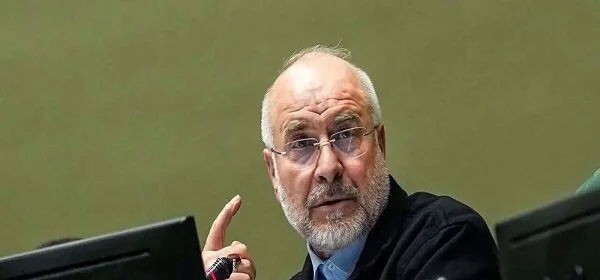
Ghalibaf Criticizes US Economic Policy as Treasury Yields Reach Multi-Year Highs
Iranian Parliament Speaker Mohammad Bagher Ghalibaf criticized the US economy in a social media post as 10-year Treasury yields hit their highest since 2007 and 30-year yields reached 5.4%, the highest since 2004.
Published on 25 September 2026
SaveGhalibaf Criticizes US Economic Policy as Treasury Yields Reach Multi-Year Highs
Iranian Parliament Speaker Mohammad Bagher Ghalibaf posted a message on his X account late Thursday criticizing the United States economy as yields on US Treasury bonds reached multi-year highs. In his post, Ghalibaf wrote, “Happy 5.1% 10Y America. Mashallah. Celebrate: it’s the floor two years out.” He compared the current economic situation to that of the 1970s, linking higher interest rates with fuel prices and diesel shortages. He asked, “You wanted Iran dragged back to 1970s? Nobody told you Iran isn’t for arrogant amateurs?” He further wrote, “We’ll return you to 1970s rates, plus high gas prices, diesel shortages and bell-bottoms. Enjoy the nostalgia!”
The yield on US 10-year Treasury bonds has returned to its highest level since 2007, while the yield on 30-year Treasury bonds has reached 5.4 percent, its highest level since 2004. Ghalibaf’s remarks come amid growing pressure on the US administration over the performance of the Treasury and energy markets. US Treasury Secretary Scott Bessent has pursued buyback operations in the US Treasury market, particularly involving 10-year bonds, in an effort to bring down long-term yields and reduce borrowing costs ahead of the midterm elections. However, the bond market has largely resisted the intervention, with yields remaining elevated or even increasing.
Critics, including veteran Wall Street figures such as Stanley Druckenmiller, have questioned the effectiveness of the measures and warned of growing market risks. The United States has also drawn heavily on its Strategic Petroleum Reserve (SPR) after Iran closed the Strait of Hormuz due to the US-Israeli aggression which began on February 28. The closure of the Strait of Hormuz, a vital chokepoint for global oil shipments, has contributed to volatility in energy markets and added to inflationary pressures.
According to Mehr News, Ghalibaf’s comments reflect ongoing tensions between Iran and the United States, with economic indicators becoming a focal point of political discourse. The report by Mehr News added that the US Treasury’s efforts to manage yields have faced challenges, and the situation remains fluid as midterm elections approach.
Source: Mehr News — Read original story