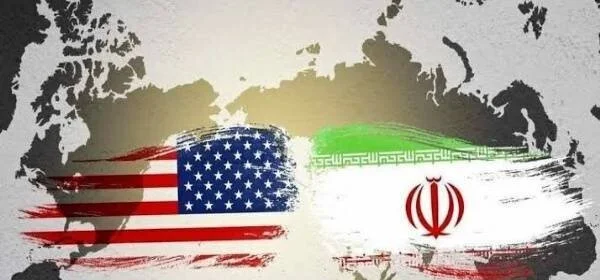
Analysis questions US military power after Iran confrontation
An analysis published by Mehr News, citing Foreign Policy and US congressional reports, argues that Washington's confrontation with Iran exposed limits in converting military superiority into political results.
Published on 15 November 2026
SaveAnalysis questions US military power after Iran confrontation
An analysis published by Mehr News examines the outcome of the US military confrontation with Iran, arguing that the episode highlighted the limits of Washington's ability to translate military superiority into lasting political arrangements. The analysis cites Foreign Policy magazine as writing that the United States imagined it held decisive military superiority and could convert that power into sustainable political arrangements, while in reality it possesses neither.
According to the analysis, the Trump administration entered the confrontation assuming that US and Israeli military superiority could quickly alter the balance of power and press Tehran to accept Washington's demands. The stated objectives included weakening Iran's missile capability, destroying its naval capacities, preventing Iran from obtaining a nuclear weapon, and even creating conditions for changing the country's political structure. The analysis argues that continued Iranian resistance and persistent differences between Tehran and Washington meant operational superiority did not produce Iran's political surrender. It cites a September 2026 report by the US Congressional Research Service as describing the confrontation as having become a state of attrition, with Washington still facing difficult options including continued limited operations, intensified military measures, or movement toward an agreement.
The analysis also addresses costs. It cites a US Congressional Budget Office estimate that military operations had cost about 38 billion dollars by August 1, 2026, and refers to Pentagon oversight reports indicating reduced munitions stockpiles and limited industrial capacity to replace consumed munitions. Because US military power is committed across Europe, East Asia and the Middle East, the analysis argues that heavy consumption of weapons on one front can affect Washington's ability to manage crises elsewhere. It adds that disruption to maritime transit and concern over energy security transferred costs to the global economy, leaving the US with a contradiction: achieving its objectives requires more pressure, but continued military and economic pressure creates costs that are harder to manage.
On recent developments, the analysis cites a November 14 report by Reuters, which, quoting three informed sources, said Trump told senior advisers he may for now refrain from new attacks against Iran if Iran or Yemen's Ansarullah does not take provocative actions. The report said Washington intends to continue the naval blockade and economic sanctions while keeping military options open. The analysis argues this shift reflects the difficulty of achieving initial objectives, and that economic pressure does not necessarily produce political results, since economic damage, changed political behavior and strategic surrender are distinct outcomes.
The analysis concludes that military power becomes strategic power only when it can create specific, achievable and sustainable political objectives, and that the measure of US success is the extent to which Washington realized its declared goals rather than the scale of destruction inflicted. It notes that America retains extensive military power and that Iran also faces economic pressure and damage from the confrontation. According to Mehr News, the analysis states that the recent confrontation carries a clear message for US policymakers: weapons superiority alone cannot break a country's political will or impose a desired order.
Source: Mehr News — Read original story