FAO warns biodiversity loss threatens global food supply
FAO warns that narrowing crop diversity leaves food systems vulnerable to climate shocks, pests, and disease, with only nine crops accounting for 66% of global output.
Published on 24 May 2026
SaveFAO warns biodiversity loss threatens global food supply
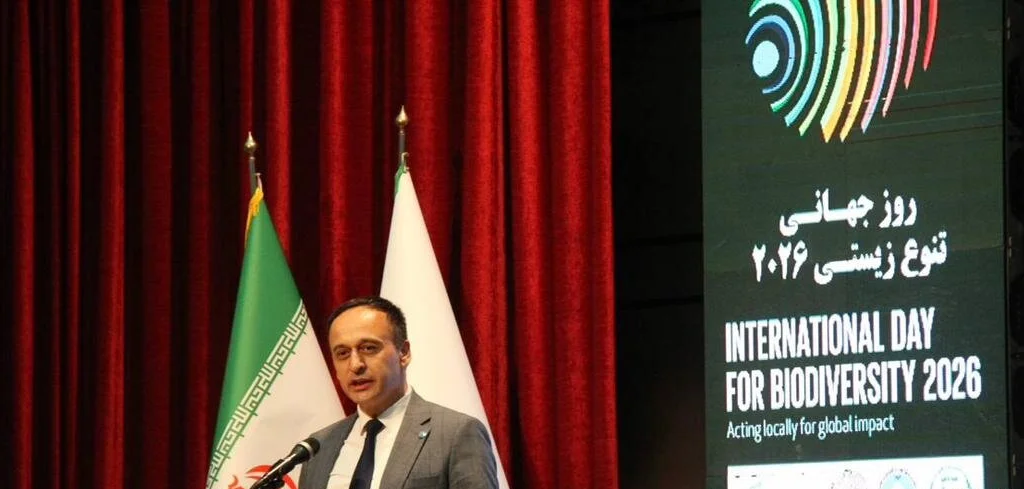
The Food and Agriculture Organization of the United Nations (FAO) used the occasion of the International Day for Biological Diversity to sound the alarm over accelerating biodiversity loss, warning that increasingly narrow crop diversity is leaving food systems dangerously exposed to climate shocks, pests, and disease. Speaking at a ceremony marking this year's global theme — "Acting locally for global impact" — FAO's Representative in Iran highlighted that while humanity has cultivated more than 6,000 plant species for food throughout history, fewer than 200 now contribute substantially to global food production. Of those, only nine crops account for 66 percent of all global crop output.
FAO's global evidence shows that pollinators are also critical: 75 percent of the world's most productive crop plants depend at least in part on pollinators, which contribute to approximately 35 percent of global crop production. Livestock biodiversity is equally important, with thousands of local breeds carrying unique adaptive traits essential for resilience under harsh conditions. Yet biodiversity for food and agriculture continues to decline globally due to climate change, land degradation, unsustainable resource use, habitat loss, pollution, and ecosystem degradation.
Iran is recognized as a country of significant global biodiversity importance, with more than 8,200 plant species, 197 mammal species, 535 bird species, 227 reptile species, and numerous other species. It is home to globally important and endangered species such as the Asiatic cheetah and Persian leopard. However, these natural assets face increasing pressures from climate change, water scarcity, land degradation, and habitat loss.
FAO-supported interventions in Iran contribute to biodiversity conservation and sustainable natural resource management. These include projects conserving endangered indigenous livestock genetic resources in northwestern Iran (such as Sarabi cattle, Marakhoz goat, Mahabadi goat, and Bactrian camel), integrated management of sensitive ecosystems, and restoration efforts in the Lake Urmia Basin. Other initiatives focus on sustainable agriculture, water efficiency, integrated pest management, and climate resilience through Green Climate Fund support.
According to the FAO, biodiversity conservation in Iran is inseparable from sustainable agriculture, water security, climate resilience, ecosystem restoration, dryland management, and rural livelihoods. The organization remains committed to partnering with the Government of Iran, the Department of Environment, the Ministry of Agriculture Jahad, and other national institutions to promote biodiversity-friendly agrifood systems, conserve genetic resources, restore ecosystems, and strengthen climate resilience. The report by Mehr News Agency added that FAO emphasizes that local action, when sustained and coordinated, can have national and global impact.
Source: Mehr News — Read original story