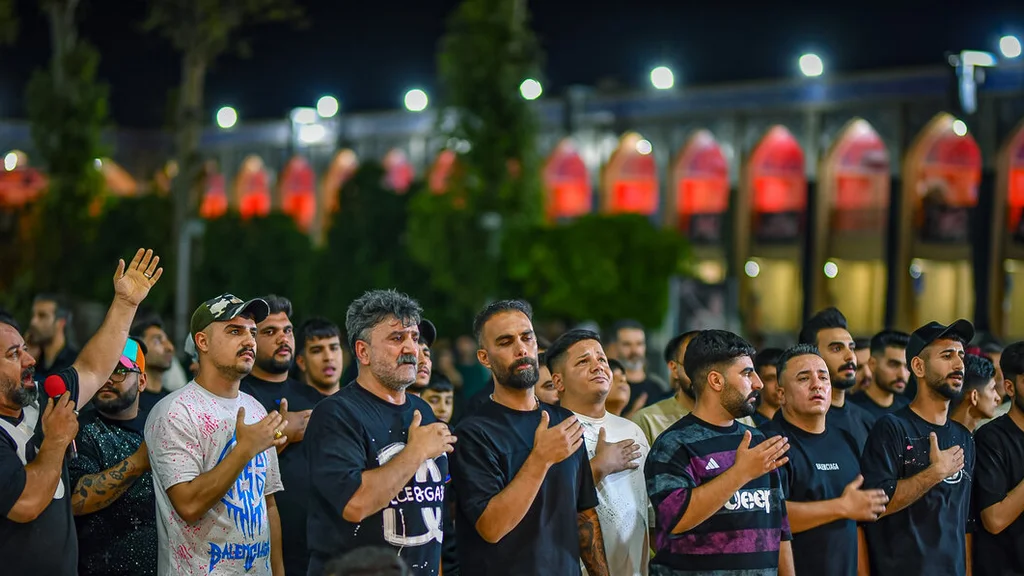
Ashura: Symbol of Struggle Between Righteousness and Falsehood
Ashura commemorates Imam Hussein's martyrdom at Karbala, symbolizing the eternal struggle against oppression. Millions observe mourning rituals worldwide.
Published on 25 June 2026
SaveAshura: Symbol of Struggle Between Righteousness and Falsehood
Observed by Muslims worldwide, the Day of Ashura commemorates the martyrdom of Imam Hussein (AS) at the Battle of Karbala on Muharram 10, 61 AH (October 10, 680). This event continues to inspire Shia Muslims and others to emulate Imam Hussein's pursuit of independence and liberation. Imam Hussein (AS), revered for his piety, opposed Yazid's succession as caliph in Damascus due to Yazid's unsuitability. The events of Ashura, though brief, were pivotal. Despite efforts to erase its memory, Ashura's lessons endure, with millions mourning the injustice against Imam Hussein.
Shia Muslims observe special rituals during the first 10 days of Muharram, marked this year from July 19 to 28. Hundreds of thousands of pilgrims travel to Karbala, Iraq, to visit Imam Hussein (AS)'s shrine. These days commemorate the martyrdom of Imam Hussein (AS) and seventy-two of his followers, who died thirsty in battle against Yazid's forces. Mourning rituals include wearing black and adorning streets, mosques, and Husayniyahs with mourning flags. Ashura, a day of profound mourning for Shia Muslims, commemorates the martyrdom of Imam Hussein at Karbala, Iraq. Mourning rituals and passion plays re-enacting the event are central to the observance. These Muharram mourning ceremonies are a cornerstone of Shia culture, observed globally in diverse ways. Pilgrimages to Imam Hussein's shrine in Karbala are also common.
Ashura's significance transcends Islamic history, embodying universal values of humanity, courage, and honesty. Its commemoration, even by non-Muslims, honors these principles. Some communities prepare special foods and distribute them to the poor, symbolizing charity and remembrance. Others engage in blood donation drives, reflecting the sacrifice made by Imam Hussein. The act of mourning itself is viewed as a powerful form of devotion, a way to connect with Hussein's suffering and reaffirm one's commitment to justice. Ashura remains a potent symbol of resistance against oppression and a call for moral rectitude, resonating deeply within Shia communities and inspiring reflection on universal ethical principles.
In Iran, the night of Ashura, Shaam-e Ghariban ("the night of strangers"), is marked by candle lighting in holy places. The tragedy is also observed in countries with significant Shia communities, including Iraq, Afghanistan, Azerbaijan, Bahrain, Lebanon, Pakistan, Saudi Arabia, and Syria. Iranians hold mourning processions and listen to elegies. Distributing "Nazri" (votive food) is a central ritual, with kiosks and stalls offering food and drink, including tea and fruit juices. Even non-Muslims participate, receiving food from neighbors. This tradition has become industrialized, with companies offering Nazri. In Tehran, families prepare various dishes to share with neighbors. Ta'zieh performances, registered on UNESCO’s List of the Intangible Cultural Heritage of Humanity, depict religious, historical, and mythical stories through poetry, music, song, and motion. These dramas portray the events of Ashura, drawing from Iranian music traditions and dating back to the 9th century. Their performance flourished during the Safavid and Qajar eras.
Master miniaturist Mahmud Farshchian created “The Evening of Ashura” both to depict one of the greatest tragedies for Muslims and to represent the power of art in expressing major events of history. The masterpiece portrays the helpless household of Imam Hussein (AS), mourning after his horse returns from the battlefield without him. Their deep grief for their beloved has been depicted perfectly in this Persian miniature painting. Karbala represents the confrontation between truth and falsehood, justice and prejudice, courage and worldliness. The Muharram ceremonies embody the eternal struggle for truth against falsehood and the fight against injustice, tyranny, and oppression. The Day of Ashura serves as a potent reminder of the sacrifices made for principles and the unwavering commitment to justice, even in the face of overwhelming odds. It is a testament to the enduring power of faith and the resilience of the human spirit. The story of Imam Hussein (AS) is not confined to history; it is a living narrative that continues to resonate with people of all backgrounds who yearn for a world free from oppression and imbued with righteousness. According to Mehr News Agency, the rituals and traditions associated with Ashura are profound expressions of solidarity with Imam Hussein (AS) and his followers, serving as a call to action against injustice.
Source: Mehr News — Read original story